
Home / What underwater means
Start here
What 'underwater' means when it is your house
The word sounds like a verdict. It is really just a comparison of two numbers, and you can check both of them yourself.
A house is underwater when the loan against it is larger than what the house would sell for today. That is all the word means. It does not say you missed payments, made a bad choice or lost the house. It is a snapshot of two numbers on one day.
The two numbers that define it
What you owe
This is the payoff on your mortgage, plus any other loan secured by the house, such as a second mortgage or home equity line. Add them together. Many owners forget the second loan until the closing table, so list every one.
What the house would sell for
This is the price a real buyer would pay in a normal sale, not the price you paid and not the price on a neighbor's wishful listing. Our worksheet for finding your payoff and value walks through both numbers step by step.
Underwater, low equity and upside down
People use several terms for related situations, and they are easy to mix up.
- Negative equity or underwater: you owe more than the house is worth.
- Upside down: the same thing, said informally.
- Low equity: you owe less than the value, but not by much, so selling costs could wipe out what is left.
Why low equity can feel the same
Selling costs come out of the price. If your cushion is smaller than those costs, you can be "above water" on paper and still short at closing. That is why the net-proceeds math matters more than the headline equity figure.

What underwater does not mean
It does not mean foreclosure
A loan can be underwater for years while every payment is made on time. The balance being high is not a default. Trouble starts when payments stop, and that is a separate question for your lender and a HUD-approved housing counselor.
It does not mean you must sell
If you can afford the payment and are not forced to move, owning an underwater house can be perfectly workable. The pressure comes from needing to leave, not from the number itself.
It does not mean the number is permanent
Every month of payments lowers the balance, and local prices move up and down. Some owners come out the other side by waiting, and some do not. Nobody can promise which, so plan with that uncertainty in mind.
Why you might be underwater
Common reasons include buying with a small down payment, buying near a local peak, a drop in prices since, borrowing against the house later, or closing costs rolled into the loan. Sometimes the house simply needs work that lowers what buyers will pay. If condition is part of your story, see selling when you cannot afford repairs.
What to do first
Get an exact payoff
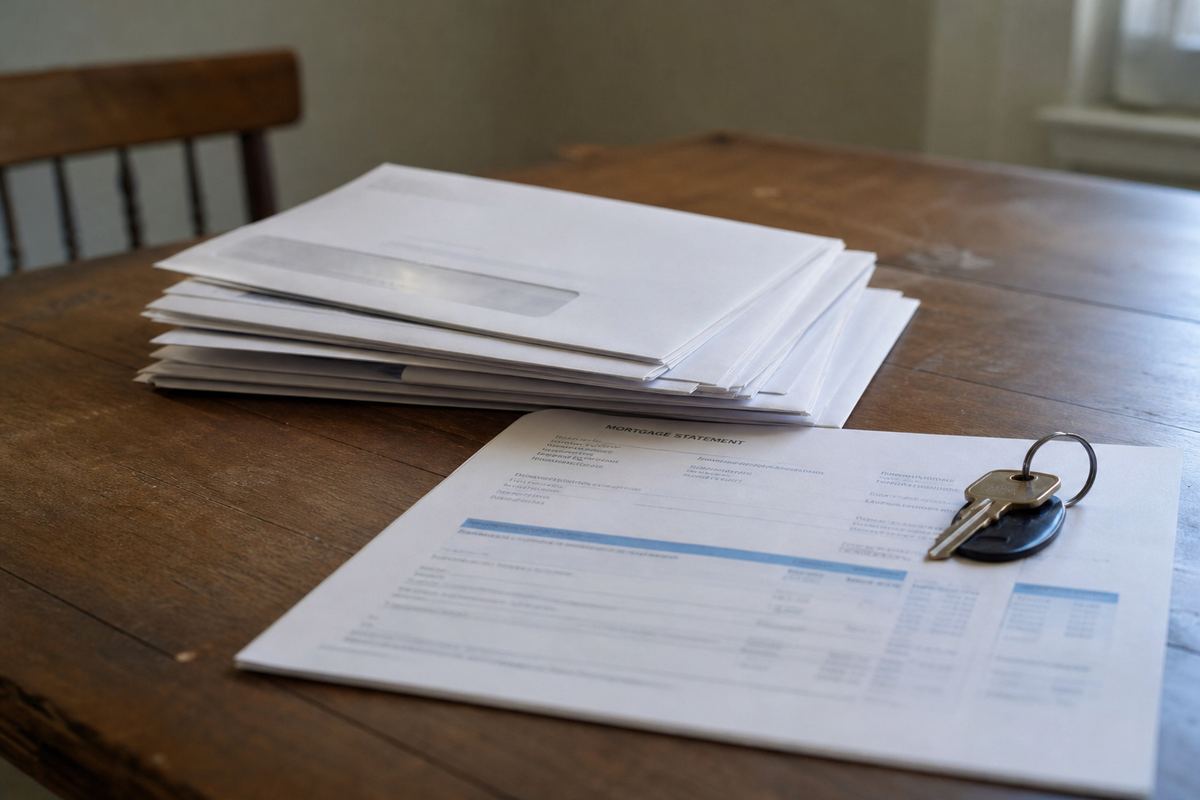
Call or message your servicer and ask for a written payoff statement good through a specific date. It takes a few minutes and is free. Include every loan on the house.
Get a realistic value
Ask a local real estate agent for a comparative market analysis. It is a free opinion of value built from recent similar sales. Ask for a range, and ask how they chose the comparisons.
Compare the gap to your options
Once you have both numbers, subtract. If the result is negative, the question becomes how the gap gets covered, and that is where your options come in. If the result is small and positive, look at costs first.
When to talk to a professional
A HUD-approved housing counselor can review your whole situation for free or little cost and explain programs your lender may offer. A licensed attorney can explain your rights and what a short sale or other arrangement would mean in your state. A tax professional can tell you whether forgiven debt could create a tax bill. We are not those people, and we say so. You can find a counselor through HUD's housing counselor search.
If your house is under an active exclusive listing agreement with an agent, please let that agreement end, or bring your agent into the conversation, before you explore other ways to sell.
How to talk about it with the people involved
With your lender
Ask what hardship or loss-mitigation programs exist before you assume there are none. Lenders do sometimes have options, and asking does not commit you to anything. Keep notes of who you spoke to and when.
With family or a partner
Money stress is easier to carry when everyone sees the same two numbers. Sit down with the payoff and the value range and talk about timing, not blame. The numbers describe the market and the loan, not your worth.
With an agent
Be direct that you suspect the price may not cover the loan. A good agent will tell you honestly whether a normal listing can work or whether you need to look at other routes first.
A short checklist
- Write down every loan secured by the house.
- Request a written payoff good through a date next week.
- Ask an agent for a value range and the sales they used.
- Subtract, then subtract an estimate of selling costs.
- Add up your monthly cost of keeping the house.
The longer, story-style version of this guide is the article what it means when you owe more than your house is worth. When you have your numbers, the questions and answers page covers what people usually ask next.
Tell us where you stand
Send a few details and a real person will call you back to talk it through. Bring whatever numbers you have, even rough ones. We will tell you plainly if selling is not the right move right now.
There is no obligation, and nobody will push you toward a decision you are not ready to make.
Talk it through
Free to ask. No obligation to do anything.