
Home / Selling without repairs
Repairs
Selling when you cannot afford the repairs
Repairs are often the reason a house sits. You do not have to fix everything to sell it, but you should know what each path costs you.
A house that needs work faces two hurdles at once. Many buyers financing with a loan cannot buy a place with certain problems, and many others will only pay far less once they imagine the cost. If you cannot fund the work yourself, the question is which route leaves you best off.
Sort the repairs into three piles
Safety and structure
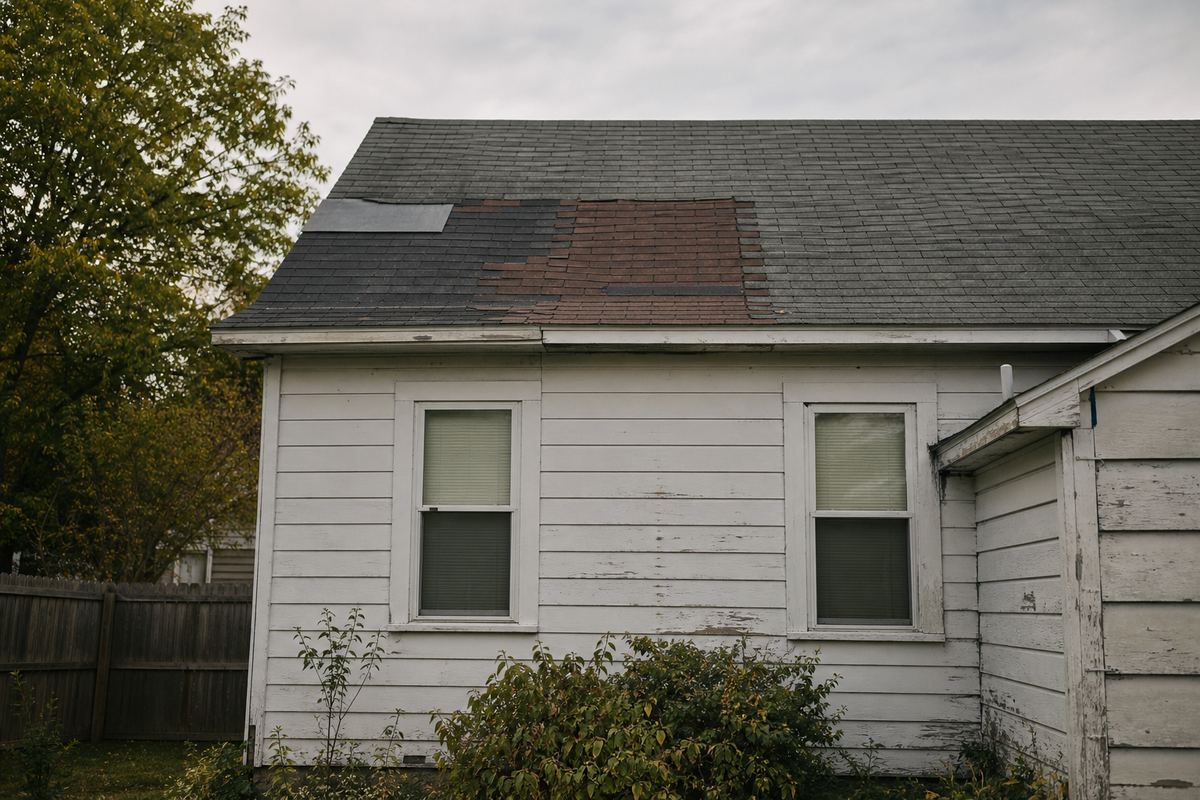
Roof leaks, foundation trouble, electrical hazards and failing plumbing change what buyers and lenders will accept. A contractor's written estimate turns a vague fear into a number.
Cosmetic items
Paint, flooring and fixtures affect how the house shows. Some inexpensive fixes are worth doing, because they change first impressions out of proportion to their cost.
Things that can simply wait
Dated kitchens and tired bathrooms are priced in by buyers. Spending your last dollars there rarely pays back.
Four ways to sell without paying for repairs first
List it as it is on the open market
You disclose what you know and price accordingly. This keeps the full buyer pool but may attract fewer loan-financed buyers if the problems are serious. Ask an agent what comparable houses in similar condition sold for.
Offer a repair credit
Instead of fixing, you reduce the price or give a credit at closing. It saves you the cash up front and lets the buyer choose the work, but it lowers your net, so run it through the net-proceeds math.
Get quotes first, then decide
Two or three written estimates show whether the work costs less than the discount buyers will demand. If it does, a targeted repair can raise your net.
Sell to a buyer who purchases houses as they stand
Some buyers pay cash, close on your timeline and take the house with its problems. You normally accept a lower price in exchange for speed and certainty. We may be such a buyer, and we tell you so up front. Compare more than one offer and read everything.
| Route | Cash you need up front | Speed | Usual trade-off |
|---|---|---|---|
| Open-market listing as it is | Little | Slower | Fewer financed buyers if problems are serious |
| Repair credit | None | Medium | Lower net at closing |
| Repair first, then list | Significant | Slowest | Needs money and time you may not have |
| Sell to a buyer taking it as it is | None | Fastest | Lower price in exchange for speed and certainty |
How buyers see a house that needs work
Financed buyers
Loan programs often require a house to meet basic condition standards. A missing handrail, a damaged roof or a broken heating system can stop a financed purchase even when the buyer loves the house. That shrinks your pool of buyers unless the problem is fixed or the sale is credited.
Cash buyers and investors
These buyers can usually take on more risk, and they price in the repairs plus their own time and profit. The offer reflects that. This is not wrong, but you should know what the discount covers.
Owners who plan to live there
Some buyers want a project and will pay a fair price if the problems are clear and the house is priced honestly. A good agent can tell you whether that kind of buyer is realistic for your house.
Questions to ask a contractor
- What exactly is wrong, and is it getting worse?
- What is the cheapest fix that makes the house safe and sellable?
- Can you put the estimate in writing, with a date it is good through?
If you owe more than it is worth
Repairs and negative equity together make the choice harder, because a lower price deepens the gap. In that case start with what underwater really means and compare the gap-covering routes on the options page. Also total the cost of waiting, since the house keeps getting older while you decide, using the carrying cost guide.
Protect yourself
Disclose what you know
Rules on disclosure vary by place. A licensed agent or attorney can tell you what applies to you.
Read every offer
Ask what happens if the buyer backs out, who pays which costs and when you would be paid. A fair offer survives questions.
Keep the right professionals close
A HUD-approved housing counselor can review your overall situation, and you can find one through HUD. A licensed attorney can review contracts. We are not those professionals.

Next steps
Gather your payoff and a value range using the worksheet, get two repair quotes, and compare routes. When you want a second opinion, the form on this page reaches a real person, and the questions and answers cover what happens next.
If your house is under an active exclusive listing agreement, please let it end or involve your agent first.
Tell us where you stand
Send a few details and a real person will call you back to talk it through. Bring whatever numbers you have, even rough ones. We will tell you plainly if selling is not the right move right now.
There is no obligation, and nobody will push you toward a decision you are not ready to make.
Talk it through
Free to ask. No obligation to do anything.